2026 National Rural Grocery Summit Convenes in Fargo, Strengthening Rural Food Systems and Community Connections
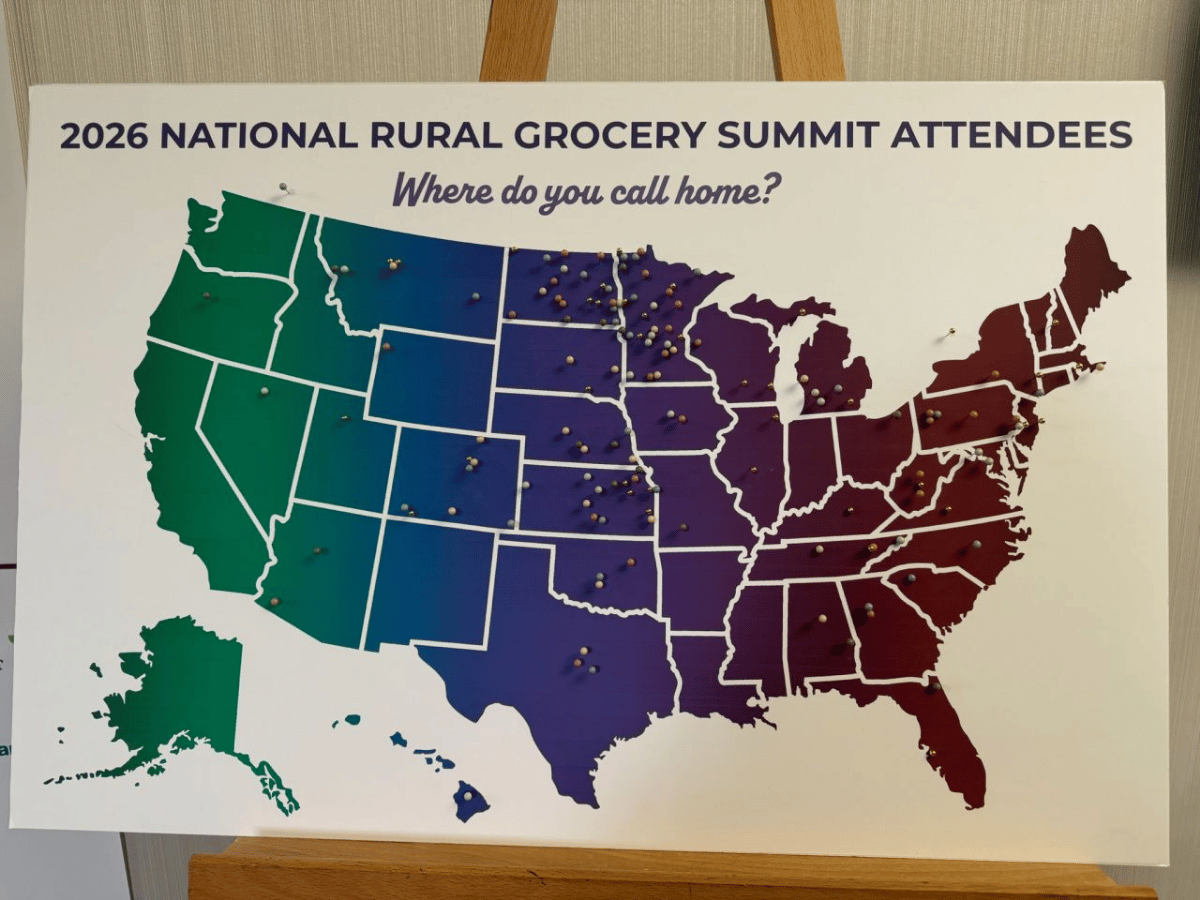
Fargo, N.D. — Earlier this month, the 2026 National Rural Grocery Summit successfully brought together over 300 rural grocery operators, community advocates, policymakers, vendors and researchers from 42 states, Washington, D.C. and Canada to share strategies for sustaining independent rural grocery stores and improving food access in small communities. Held May 5–7 in Fargo, North Dakota, the biennial event reinforced its role as the premier national gathering focused on rural grocery innovation and collaboration.
Hosted by the Rural Grocery Initiative in partnership with the University of Minnesota Extension Regional Sustainable Development Partnerships and the North Dakota Association of Rural Electric Cooperatives, the Summit created a dynamic space for attendees to connect, learn, and advance solutions that support the vitality of rural food systems.
"I just never realized how many people are out there that want to help us rural grocers. I expected all attendees to be grocers and vendors. It's awesome to see how many state or government employees are out backing, rooting and helping us."
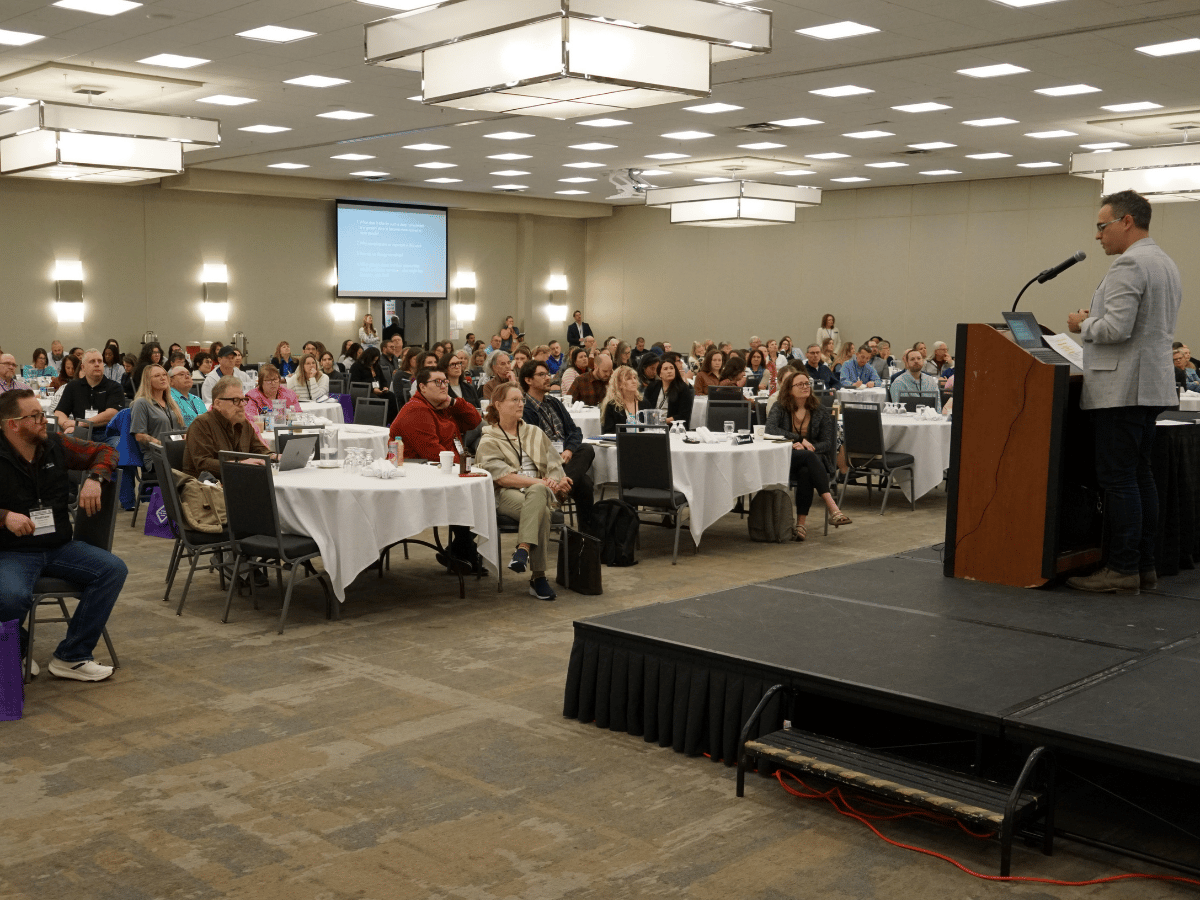
The 2026 Summit featured a robust, multi-day agenda that included tours, plenary sessions, panel discussions, workshops, and breakout sessions designed to address the evolving challenges and opportunities facing rural grocery operators.
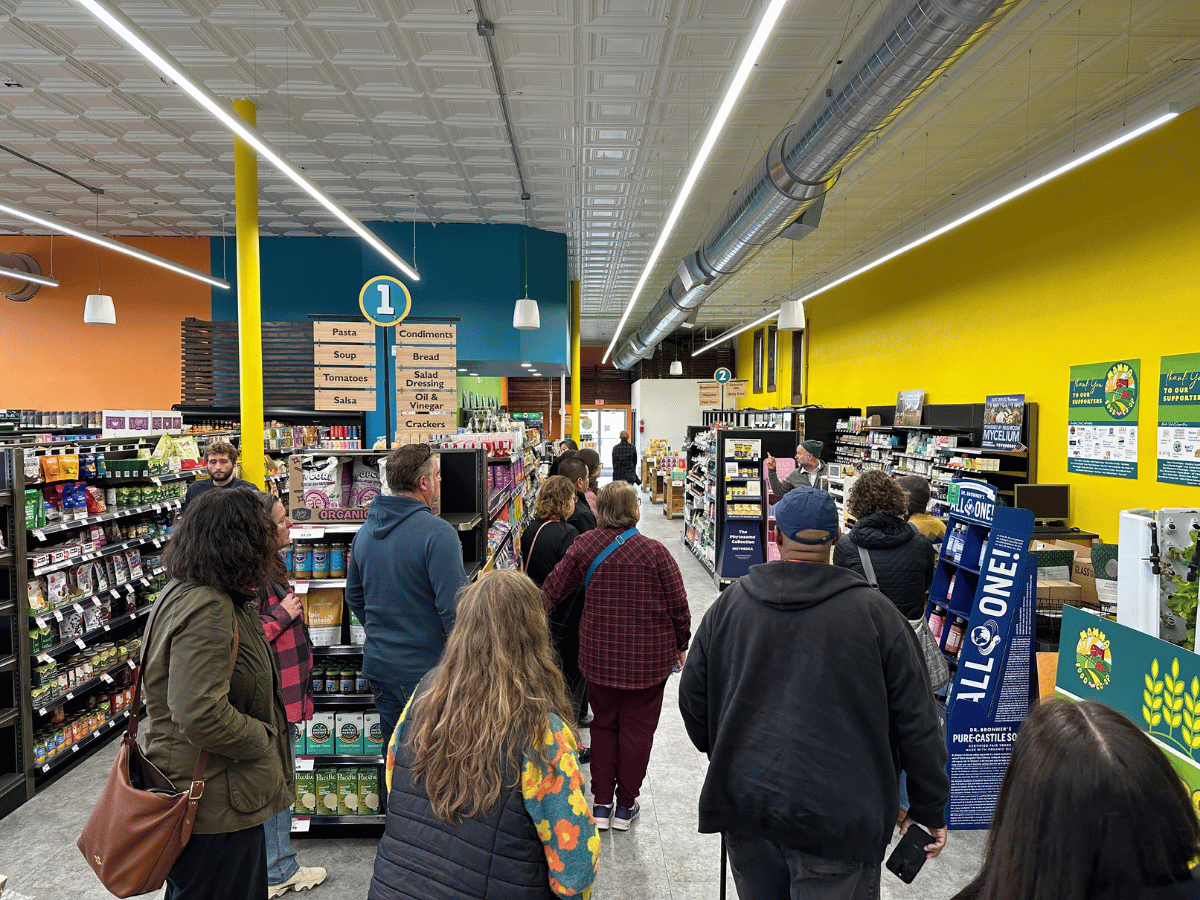
Pre-conference tours on May 5 offered participants firsthand insights into innovative grocery models and regional food systems in Minnesota and North Dakota by highlighting rural grocery examples that have been lauded nationally including the RAD Co-op in rural North Dakota and the 24-7 model in Evansville.
"The tour was awesome and very helpful. It's one thing to read about how other stores operate, it's another to be there and see it."
Food systems expert Jon Steinman provided the opening plenary, “More than a Grocery Store,” where he provided context on the systems in place that challenge locally owned independent grocery. His keynote called on attendees to rewrite the narrative on rural grocery and use storytelling to highlight the critical role rural grocery stores play as essential community anchors.
Throughout the Summit, over 24 breakout sessions addressed a wide range of topics, including:
- Alternative ownership models and transition planning strategies
- Data-driven tools and mapping to demonstrate rural grocery impact
- Partnerships between grocers, healthcare providers, and community nutrition programs
- Supply chain challenges and wholesale distribution solutions
- Policy approaches to supporting independent grocers and ensuring fair competition
Poster sessions and networking opportunities showcased research and practical tools aimed at strengthening rural food access, including initiatives focused on local sourcing, farm-to-retail connections, and programs such as Double Up Food Bucks and WIC partnerships.
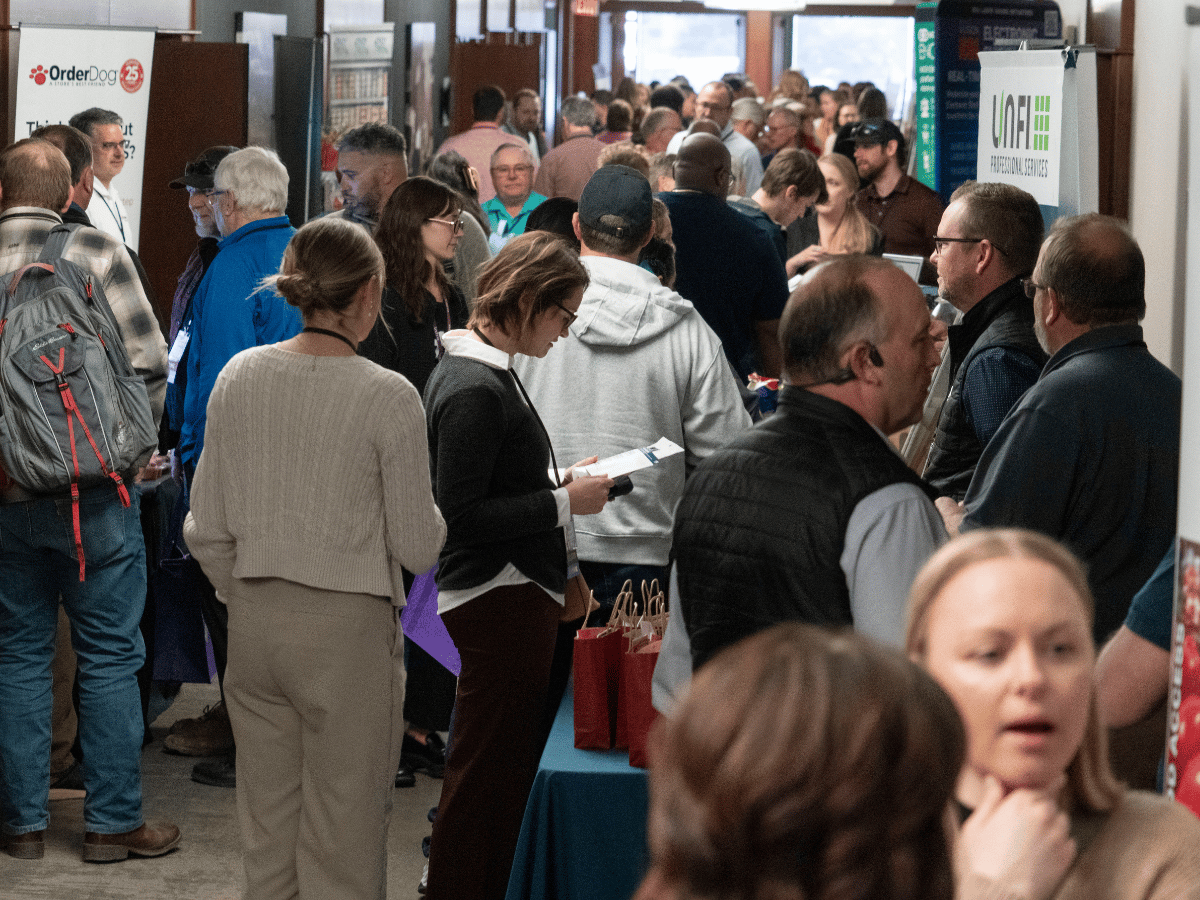
Throughout the event, attendees interacted with over 20 exhibitors – including Natural Choice Foods, support associations, technology companies and more.
"The biggest highlight for me was getting to talk to individuals involved at all different stages of rural food access, from distributors to store owners to policy advocates to extension staff and researchers. I have never been to a conference that was designed to bring everyone together like the National Rural Grocery Summit did."
During the evening reception on May 6, sponsored by Natural Choice Foods, two award winners were announced:
- Rural Grocer of the Year - Emily & Kaden Roush, Main Street Mercantile, Lebanon, KS
- Their nominator wrote: Emily and Kaden Roush purchased the local grocery store in 2023 and utilized their creative community-building, grant writing, and fundraising skills to completely remodel and reopen the store in a small town of 181. Main Street Mercantile offers a full-service grocery store, including butcher counter, fresh produce, staple items, and an abundance of locally grown and processed meats. Emily and Kaden provide critical jobs for local residents and truly create a community feel in their store.
- Grocery Champion of the Year – Lori Capouch, Bismarck, ND
- Her nominator wrote: Lori’s work has directly strengthened rural grocery viability through leadership, coalition-building, and practical innovation grounded in the realities of rural communities. For more than 30 years, she has served as a behind-the-scenes cooperative development champion who travels to small towns to help address quality-of-life challenges—especially food access.
More information about the award winners can be found on the conference website.
The event concluded May 7 with a closing plenary by Rebecca Undem, founder of Growing Small Towns, who emphasized the importance of grocery stores as community hubs and catalysts for rural development. Rebecca highlighted strategies for rural grocers to compete through the lens of people and organizational development that prioritizes local community connections. She described these strategies as approaches to take the high road, which she reminded grocers, is not easier, but it is less crowded.
The 2026 National Rural Grocery Summit demonstrated that rural grocery stores remain essential to the economic and social fabric of small towns. By fostering collaboration and sharing innovative solutions, the Summit continues to drive progress toward vibrant, healthy rural communities nationwide.
Presentation materials from the event are available on the conference website. A photo gallery is available online. Plans for the 2028 National Rural Grocery Summit will be announced later in 2026.
About the Rural Grocery Initiative: The Rural Grocery Initiative, housed within K-State Research and Extension, aims to sustain locally-owned rural grocery stores to enhance community vitality and improve access to healthy foods by identifying, developing, and sharing resources that support grocers and rural communities. https://www.ruralgrocery.org/
About University of Minnesota Regional Sustainable Development Partnerships: The Regional Sustainable Development Partnerships (RSDP) bring together community and University knowledge and resources to drive sustainability in four focus areas: agriculture and food systems, clean energy, natural resources and resilient communities. We support local projects through five regional boards made up of community members and University faculty and staff. We also support multi-region food systems work across Greater Minnesota and provide energy programming through the Clean Energy Resource Teams. https://extension.umn.edu/regional-partnerships
About North Dakota Association of Rural Electric Cooperatives: North Dakota Association of Rural Electric Cooperatives (NDAREC) is the trade association for the state’s 17 electric distribution and five generation and transmission cooperatives. NDAREC supports its members with services designed to ensure a steady and reliable supply of electricity to more than 250,000 residents across North Dakota’s 53 counties. NDAREC focuses on improving the quality of life for our member cooperatives by extending their reach in the areas of economic development, enhancing communication efforts and advocating for member interests. https://ndarec.com/
###
Related Announcements:
Natural Choice Foods Announces Grand Prize Drawing Winners